Severe tooth pain can interfere with daily life, making it difficult to eat, sleep, or even concentrate. Often, this pain is the result of deep infection within a tooth, where the pulp and nerves have been damaged. Root canal treatments are one of the most effective ways to relieve this discomfort while saving the natural tooth. For those seeking solutions in the local area, root canal treatments Oxnard professionals provide offer advanced care that not only eases pain but also restores long-term oral health.

Understanding Root Canal Treatments
What Is a Root Canal
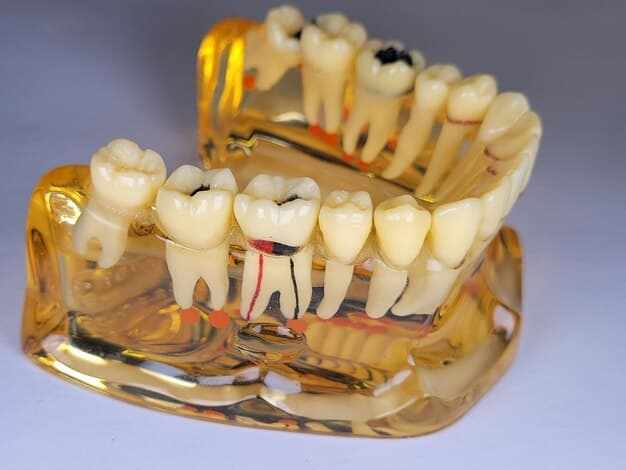
A root canal is a dental procedure designed to treat infection inside a tooth. It involves removing the damaged pulp, disinfecting the canals, and sealing the tooth to prevent further infection.
Why Root Canal Treatments Are Performed
When the inner pulp of a tooth becomes infected or inflamed due to deep decay, cracks, or trauma, it can cause severe pain. Without treatment, the infection may spread, leading to abscesses and even tooth loss. Root canal treatments restore function and stop pain by addressing the issue at its source.
Signs That a Root Canal May Be Needed
Persistent Toothache
One of the most noticeable symptoms is a continuous toothache, often worsening when chewing or applying pressure.
Sensitivity to Temperature
Teeth that remain sensitive long after exposure to hot or cold foods may indicate pulp damage.
Gum Swelling or Tenderness
Swelling around the gums near the affected tooth can signal infection.
Tooth Discoloration
A tooth that darkens may suggest nerve damage inside, requiring immediate evaluation.
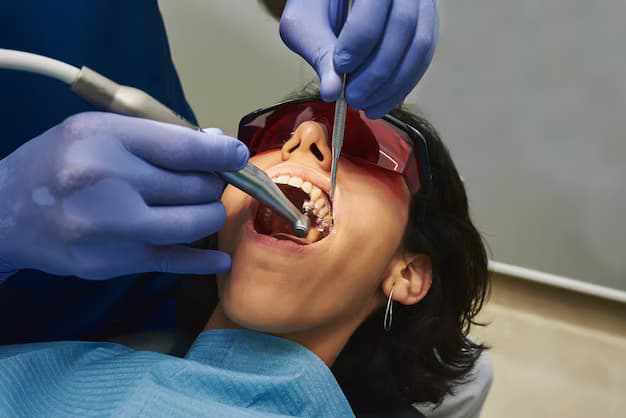
How Root Canal Treatments Oxnard Dentists Perform the Procedure
Step 1: Thorough Examination
Dentists begin by taking digital X-rays to determine the extent of the infection and to map out the root structure for precise treatment.
Step 2: Administering Anesthesia
Local anesthesia is applied to ensure that patients feel comfortable throughout the procedure. The treatment is typically painless due to these modern methods.
Step 3: Isolating the Tooth
A dental dam is placed to keep the tooth dry and free from saliva, ensuring a clean treatment environment.
Step 4: Removing Infected Pulp
A small opening is made in the tooth, allowing access to remove the infected pulp and nerve tissue.
Step 5: Cleaning and Shaping
Specialized tools are used to thoroughly clean and shape the root canals, removing all traces of bacteria.
Step 6: Filling the Canals
The empty canals are filled with a biocompatible material that seals the tooth against future infection.
Step 7: Restoring the Tooth
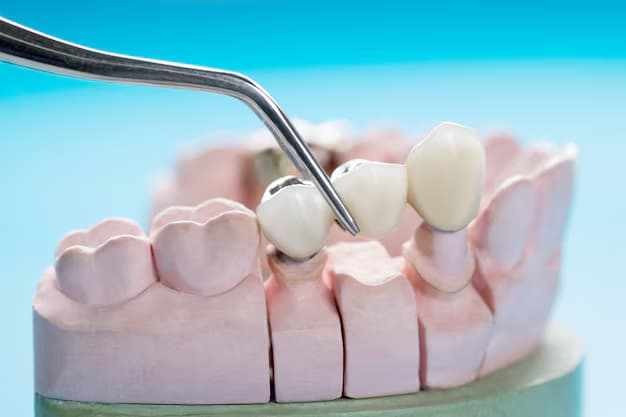
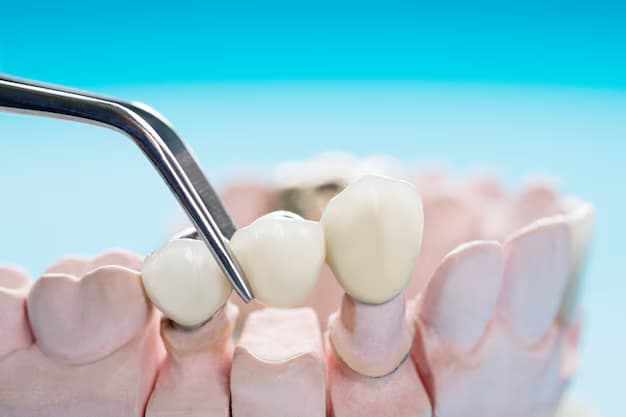
To protect the treated tooth, a crown or permanent filling is typically placed, providing durability and restoring normal appearance.
Benefits of Root Canal Treatments
Pain Relief
One of the primary goals is to eliminate pain caused by infection and inflammation, allowing patients to return to daily activities without discomfort.
Tooth Preservation
Unlike extraction, root canal treatments save the natural tooth, which helps maintain proper alignment and oral function.
Prevention of Infection Spread
By sealing off the treated area, the procedure prevents bacteria from spreading to other teeth or into the bloodstream.
Long-Term Functionality
With proper restoration, a treated tooth can last a lifetime, performing as effectively as a natural, healthy tooth.
Common Myths About Root Canal Treatments
Myth 1: The Procedure Is Painful
Modern techniques and anesthesia make root canal treatments virtually pain-free. Many patients describe the experience as similar to getting a filling.
Myth 2: Extraction Is a Better Solution
While extractions remove the tooth, they often lead to complications such as shifting teeth, bone loss, and the need for costly replacements. Saving the natural tooth is almost always the preferred option.
Myth 3: Recovery Takes Weeks
Most patients resume normal activities within a day, with only mild discomfort that subsides quickly.
Recovery After Root Canal Treatments
Immediate Aftercare
Patients may feel slight soreness for a few days, which can be managed with over the counter medication.
Eating and Chewing
It is advisable to avoid chewing on the treated tooth until a crown or permanent filling is placed.
Long-Term Oral Care
Maintaining good oral hygiene, including brushing and flossing, helps ensure the long-term success of the treatment.
Follow-Up Appointments
Regular dental checkups allow the dentist to monitor healing and ensure the restoration remains secure.
Why Root Canal Treatments in Oxnard Stand Out
Advanced Technology
Local dental clinics often use modern imaging tools and specialized instruments that enhance accuracy and comfort during treatment.
Experienced Professionals
Root canal treatments Oxnard dentists provide are performed with a focus on precision, ensuring optimal results for patients.
Patient Comfort
Special attention is given to making patients feel at ease, from the initial consultation through the recovery period.
Accessible Care
With a wide range of dental services available locally, patients can conveniently access high quality root canal treatments when needed.
Maintaining Oral Health After a Root Canal
Good Oral Hygiene Practices
Brushing twice a day, flossing regularly, and using antibacterial mouthwash help prevent new infections.
Avoiding Harmful Habits
Chewing hard objects like ice or biting fingernails should be avoided to protect the treated tooth.
Using Protective Gear
For those who grind teeth at night, a custom mouthguard can help preserve the integrity of the restored tooth.
Routine Checkups
Visiting the dentist for regular exams ensures long-term oral health and helps detect potential problems early.
Conclusion
Root canal treatments are an essential solution for relieving pain, stopping infection, and saving natural teeth. With the expertise and advanced techniques available locally, root canal treatments Oxnard professionals provide ensure both comfort and lasting results. Patients can enjoy restored oral health, improved confidence, and the ability to live free from dental pain. For trusted care and effective treatment options, individuals can turn to Puri Dentistry.









Write a comment ...