
In Oxnard, oral health needs sometimes go beyond routine cleanings and fillings and require advanced surgical care. Oral surgery plays a vital role in diagnosing, treating, and preventing complex dental and facial conditions. Oxnard oral surgeons are specially trained to perform a wide range of procedures that improve oral function, relieve pain, and support long term dental health. Understanding these procedures helps patients feel more confident and prepared when surgical care is recommended.
Understanding the Role of Oral Surgeons
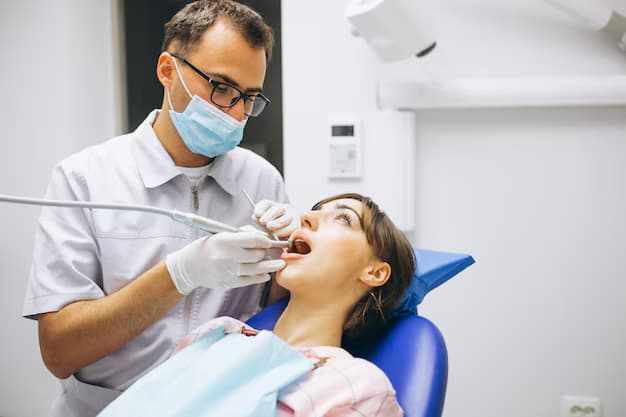
Oral surgeons focus on conditions involving the teeth, gums, jaw, and facial structures. Their advanced training allows them to manage both simple and complex cases that general dental care alone cannot address.
Specialized Training and Expertise
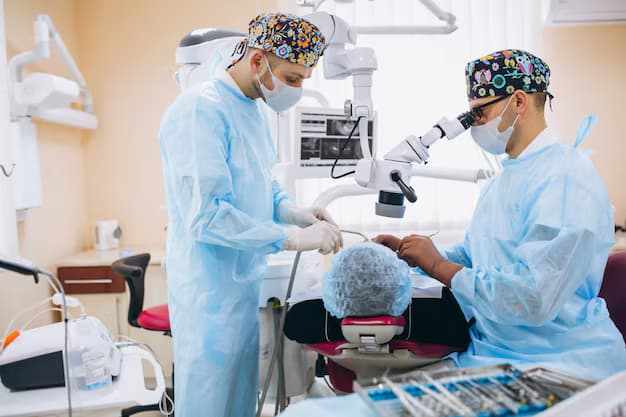
Oxnard oral surgeons complete extensive education beyond dental school, including surgical residencies. This training equips them to handle procedures involving bone, soft tissue, and facial anatomy while prioritizing patient comfort and safety.
When Oral Surgery Is Recommended
Oral surgery is typically advised when dental problems involve impacted teeth, jaw misalignment, infections, trauma, or tooth loss requiring surgical intervention. Early evaluation ensures timely treatment and better outcomes.
Tooth Extraction Procedures
One of the most common services provided by Oxnard oral surgeons is tooth extraction.
Simple Tooth Extractions
Simple extractions involve removing visible teeth that are damaged, decayed, or causing overcrowding. These procedures are usually straightforward and performed under local anesthesia.
Surgical Tooth Extractions
Surgical extractions are required for teeth that are impacted, broken below the gum line, or difficult to access. Wisdom teeth are the most common reason patients are referred to Oxnard oral surgeons for surgical extraction.
Wisdom Teeth Removal
Wisdom teeth removal is one of the most frequently performed oral surgery procedures.
Why Wisdom Teeth Often Require Removal
Wisdom teeth often lack sufficient space to erupt properly. This can lead to impaction, infection, crowding, and damage to nearby teeth. Removing them early helps prevent future complications.
The Surgical Process
The procedure involves careful planning using dental imaging to determine tooth position and root development. Oxnard oral surgeons remove the tooth while minimizing impact on surrounding tissues to promote faster healing.
Recovery and Healing
Most patients experience mild swelling and discomfort for a few days. Following aftercare instructions supports proper healing and reduces the risk of complications.
Dental Implant Surgery
Dental implants are a long term solution for replacing missing teeth and restoring oral function.
What Are Dental Implants
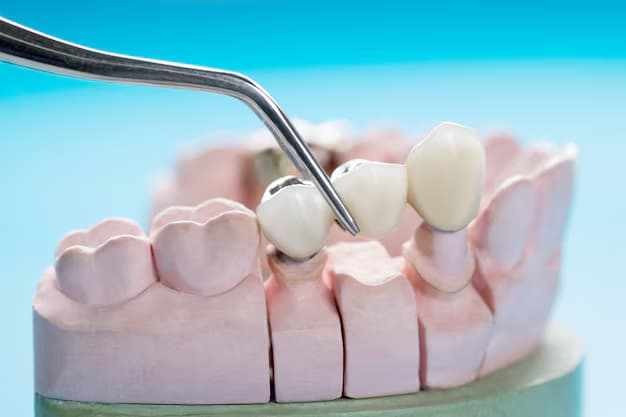
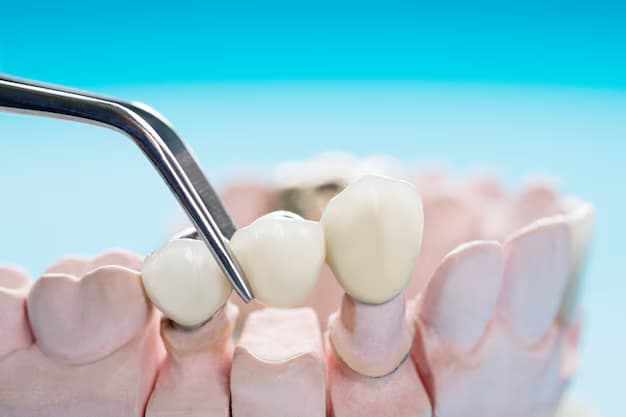
Dental implants consist of a titanium post placed into the jawbone, which acts as a replacement root. Over time, the bone bonds with the implant, creating a stable foundation for a crown or restoration.
Implant Placement Procedure
Oxnard oral surgeons carefully place implants using precise techniques to ensure stability and long term success. Healing time allows the implant to integrate with the bone before the final restoration is attached.
Benefits of Dental Implants
Implants help maintain jawbone health, improve chewing ability, and restore natural appearance. They also prevent shifting of surrounding teeth.
Bone Grafting Procedures
Bone grafting is often necessary when the jawbone lacks sufficient density to support dental implants.
Why Bone Grafting Is Needed
Bone loss can occur due to tooth loss, gum disease, or trauma. Without adequate bone, implant placement may not be possible.
Types of Bone Grafting
Bone grafting may involve using natural bone, synthetic materials, or donated bone tissue. Oxnard oral surgeons select the most appropriate option based on the patient’s condition.
Healing After Bone Grafting
Bone grafts require time to integrate with existing bone. Follow up visits help monitor healing and determine when further treatment can proceed.
Corrective Jaw Surgery
Corrective jaw surgery, also known as orthognathic surgery, addresses jaw alignment issues.
Conditions Treated with Jaw Surgery
Jaw surgery may be recommended for patients with difficulty chewing, speaking, or breathing due to misaligned jaws. It can also help relieve chronic jaw pain and improve facial balance.
The Surgical Approach
Oxnard oral surgeons work closely with orthodontic professionals to plan jaw surgery. The procedure repositions the jaw to improve function and alignment.
Long Term Benefits
Corrective jaw surgery can significantly improve bite function, facial symmetry, and overall quality of life.
Treatment of Oral Infections and Pathology
Oral surgeons also manage infections and abnormal tissue growth in the mouth and jaw.
Managing Oral Infections
Severe infections that do not respond to standard treatment may require surgical drainage or removal of infected tissue. Prompt care prevents the spread of infection.
Biopsies and Pathology Evaluation
When unusual lesions or growths are detected, Oxnard oral surgeons may perform biopsies to determine whether tissue is benign or requires further treatment.
Sedation and Patient Comfort
Comfort and anxiety management are important aspects of oral surgery care.
Types of Sedation Used
Sedation options may include local anesthesia, oral sedation, or intravenous sedation depending on the procedure and patient needs. These options help ensure a relaxed experience.
Safety and Monitoring
During surgery, patients are carefully monitored to maintain safety and comfort throughout the procedure.
Recovery and Post Surgical Care
Proper recovery plays a key role in the success of oral surgery.
Immediate Post Procedure Care
Patients are typically advised to rest, manage swelling, and follow medication instructions. Cold compresses and proper oral hygiene support healing.
Long Term Recovery Considerations
Healing times vary depending on the procedure. Follow up visits allow Oxnard oral surgeons to monitor progress and address any concerns promptly.
Preventive Benefits of Oral Surgery
Oral surgery is not only corrective but also preventive in nature.
Preventing Future Dental Problems
Procedures such as wisdom teeth removal and bone grafting help prevent infections, bone loss, and alignment issues before they worsen.
Supporting Overall Oral Health
By addressing underlying structural and dental concerns, oral surgery contributes to long term oral stability and comfort.
The Importance of Early Evaluation
Early consultation with Oxnard oral surgeons allows for timely diagnosis and treatment planning.
Identifying Issues Before They Progress
Advanced imaging and evaluations help detect problems that may not yet cause symptoms. Early treatment often leads to simpler procedures and faster recovery.
Personalized Treatment Planning
Each patient receives a customized approach based on oral health needs, medical history, and long term goals.
Conclusion
Oral surgery plays an essential role in maintaining and restoring oral health, from routine extractions to complex jaw and implant procedures. With advanced training and a focus on patient safety, Oxnard oral surgeons help individuals address dental challenges effectively and confidently. Understanding these procedures allows patients to approach treatment with clarity and reassurance. For those seeking experienced care and comprehensive surgical support, Puri dentistry remains committed to guiding patients through every stage of oral surgery and long term oral health care.
Click here to connect with a reliable dental clinic in Oxnard.








Write a comment ...