
Missing teeth can affect more than just appearance. They can influence chewing ability, speech clarity, facial structure, and overall oral health. Dental bridges are a reliable restorative option designed to replace one or more missing teeth and restore balance to the smile. For individuals exploring Dental bridges Oxnard, understanding the available types and how each works is essential for making an informed decision.
This article provides a detailed and easy to understand overview of the different types of dental bridges available, how they function, who they are best suited for, and what benefits they offer. Written in a helpful and informative tone, it aims to guide readers through their choices with confidence.
Understanding Dental Bridges and Their Purpose
Dental bridges are fixed dental restorations used to close gaps created by missing teeth. They rely on neighboring teeth or dental implants for support and help maintain proper alignment and function.
Why Replacing Missing Teeth Is Important
When a tooth is lost, nearby teeth can begin to shift into the empty space. This movement can lead to bite problems, uneven wear, and difficulty cleaning. Missing teeth may also cause bone loss in the jaw over time. Dental bridges help prevent these issues by maintaining spacing and supporting oral structure.
How Dental Bridges Work
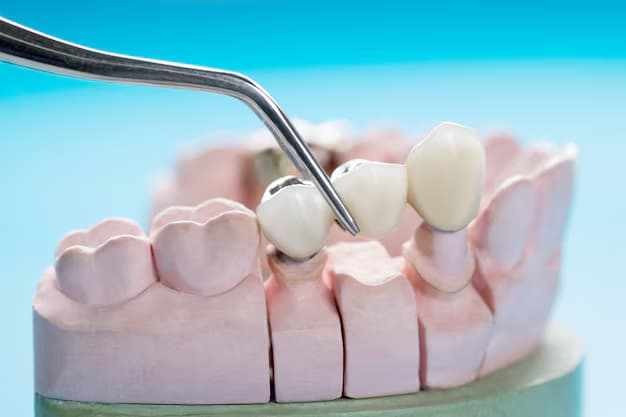
A dental bridge consists of one or more artificial teeth that fill the gap left by missing teeth. These artificial teeth are anchored in place by supporting structures on either side. Dental bridges Oxnard are customized to blend with natural teeth and restore comfortable function.
Traditional Dental Bridges
Traditional dental bridges are one of the most commonly used options for replacing missing teeth.
Structure of Traditional Dental Bridges
This type of bridge includes an artificial tooth held in place by crowns that are placed on the natural teeth adjacent to the gap. These supporting teeth are prepared to ensure a secure and stable fit.
When Traditional Bridges Are Recommended
Traditional dental bridges are ideal when there are strong and healthy teeth on both sides of the missing tooth. They are often used in areas where chewing pressure is significant.
Benefits of Traditional Dental Bridges
Traditional bridges offer durability, stability, and a natural appearance. They restore chewing efficiency and help maintain proper bite alignment. Many patients seeking Dental bridges Oxnard choose this option due to its long history of successful outcomes.
Cantilever Dental Bridges
Cantilever dental bridges are a variation of traditional bridges with a different support structure.
How Cantilever Bridges Differ
Unlike traditional bridges that rely on two supporting teeth, cantilever bridges are anchored by a crown on only one adjacent tooth. The artificial tooth extends outward from this single support.
Suitable Uses for Cantilever Bridges
Cantilever bridges may be recommended in areas of the mouth that experience less biting force, such as the front teeth. They are typically used when only one adjacent tooth is available for support.
Advantages and Considerations
This type of bridge requires less tooth preparation since only one supporting tooth is involved. However, careful evaluation is needed to ensure the supporting tooth can handle the load. Dental bridges Oxnard professionals often assess bite force and alignment before recommending this option.
Maryland Dental Bridges
Maryland dental bridges provide a more conservative approach to tooth replacement.
Design of Maryland Bridges
Instead of crowns, Maryland bridges use a metal or ceramic framework with wings that are bonded to the back of adjacent teeth. The artificial tooth is attached to this framework.
Ideal Candidates for Maryland Bridges
Maryland bridges are commonly used to replace front teeth where aesthetics are a priority and biting forces are lower. They are suitable when adjacent teeth are healthy and do not require crowns.
Benefits of Maryland Dental Bridges
One of the main advantages is that minimal alteration of surrounding teeth is required. This makes the procedure less invasive. Many patients interested in Dental bridges Oxnard appreciate this option for its conservative nature and natural appearance.
Implant Supported Dental Bridges
Implant supported bridges offer a modern and highly stable solution for missing teeth.
How Implant Supported Bridges Work
Instead of relying on natural teeth, this type of bridge is anchored to dental implants placed in the jawbone. The implants act as artificial tooth roots, providing strong support.
When Implant Supported Bridges Are Recommended
Implant supported bridges are often recommended when multiple teeth are missing or when adjacent teeth are not suitable for support. They are also beneficial for preserving jawbone health.
Long Term Advantages
This option provides exceptional stability, durability, and comfort. Implant supported bridges help prevent bone loss and do not place stress on neighboring teeth. For many individuals considering Dental bridges Oxnard, this solution offers long term value and functionality.
Materials Used in Dental Bridges
The material used for a dental bridge affects its appearance, strength, and longevity.
Porcelain Dental Bridges
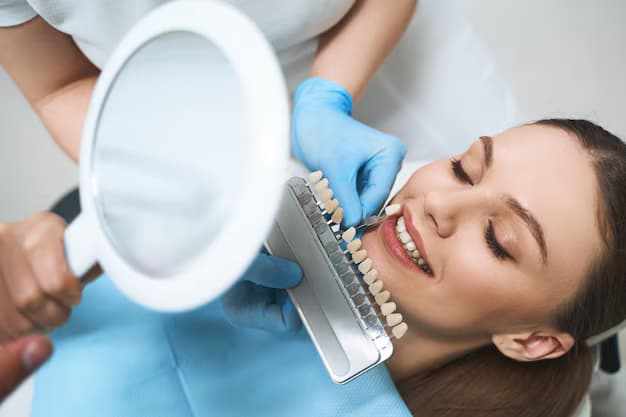
Porcelain bridges are popular for their natural look. They closely resemble the color and translucency of natural teeth, making them ideal for visible areas of the mouth.
Ceramic Dental Bridges
Ceramic materials offer both strength and aesthetics. They are often chosen for their biocompatibility and pleasing appearance.
Metal and Porcelain Fused Options
Some dental bridges combine metal for strength with a porcelain outer layer for aesthetics. These bridges provide durability while maintaining a natural appearance.
Choosing the Right Type of Dental Bridge
Selecting the most suitable dental bridge depends on several factors.
Oral Health and Tooth Condition
The health of surrounding teeth and gums plays a significant role in determining which type of bridge is appropriate. Strong supporting structures are essential for long term success.
Location of the Missing Tooth
Front teeth and back teeth experience different levels of pressure. This influences whether a traditional, Maryland, or implant supported bridge is recommended.
Personal Preferences and Lifestyle
Aesthetic goals, comfort expectations, and long term maintenance preferences all contribute to the decision. Dental bridges Oxnard options are tailored to meet individual needs and priorities.
The Dental Bridge Procedure Explained
Understanding the process helps patients feel prepared and confident.
Initial Evaluation and Planning
The process begins with a thorough examination and imaging to assess oral health and plan the bridge design. This ensures a precise and comfortable fit.
Tooth Preparation and Impressions
For bridges that require crowns, supporting teeth are prepared. Impressions are taken to create a custom restoration that matches the natural teeth.
Placement and Adjustment
Once the bridge is ready, it is carefully placed and adjusted to ensure proper bite alignment and comfort. Patients are guided on care and maintenance after placement.
Caring for Dental Bridges
Proper care extends the lifespan of dental bridges and supports oral health.
Daily Oral Hygiene Practices
Brushing and flossing are essential for keeping the bridge and surrounding teeth clean. Special cleaning tools may be recommended to reach beneath the bridge.
Regular Dental Checkups
Routine checkups allow for monitoring of the bridge and early detection of potential issues. This helps maintain long term success.
Protecting the Bridge
Avoiding excessive force and maintaining good oral habits contribute to the durability of dental bridges Oxnard patients rely on.
Benefits of Dental Bridges for Overall Oral Health
Dental bridges offer more than cosmetic improvement.
Restored Function and Comfort
Bridges improve chewing ability and speech clarity. They help distribute biting forces evenly across the mouth.
Enhanced Confidence and Appearance
A complete smile boosts self confidence and allows individuals to speak and smile comfortably in social settings.
Prevention of Further Dental Issues
By filling gaps, dental bridges help prevent tooth shifting, bite problems, and additional tooth loss.
Conclusion
Dental bridges are a proven and effective solution for replacing missing teeth and restoring oral health. With options such as traditional, cantilever, Maryland, and implant supported bridges, individuals exploring Dental bridges Oxnard can find a solution that suits their needs, goals, and lifestyle. Understanding the types available and how they work empowers patients to make informed decisions with confidence. For those seeking personalized guidance and quality restorative care, Puri dentistry is dedicated to helping patients achieve healthy, functional, and natural looking smiles.
Click here to discover expert dental services in Oxnard.



Write a comment ...