
Dental bridges are a popular solution for individuals who have lost one or more teeth. They are designed to "bridge" the gap left by missing teeth, providing both functional and aesthetic benefits. If you’re considering dental bridges in Oxnard, it's important to understand the process, from the initial consultation to the final placement of the bridge. This guide will walk you through each step of the dental bridge procedure, ensuring you feel informed and confident in your decision.
1. Understanding Dental Bridges
What Are Dental Bridges?
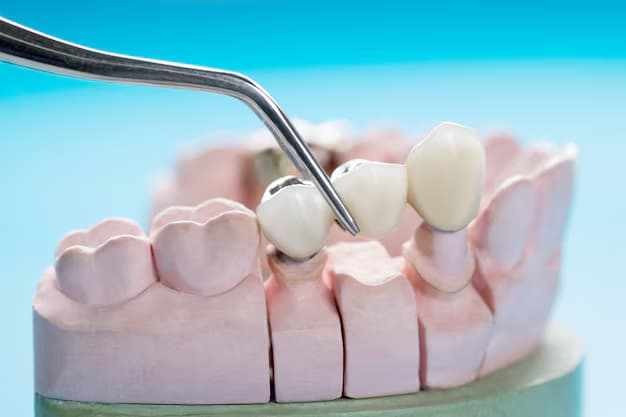
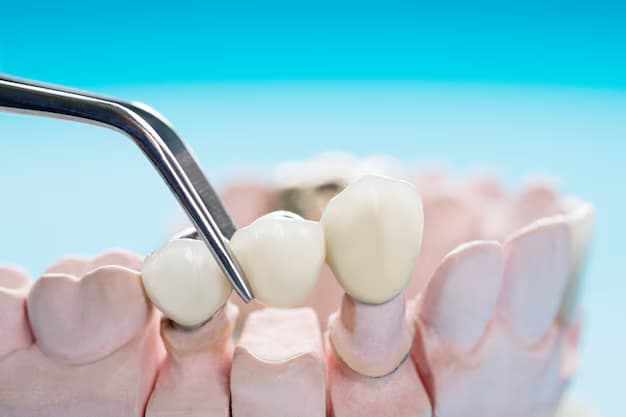
A dental bridge is a prosthetic device used to replace one or more missing teeth. It typically consists of two crowns, which are placed over the teeth on either side of the gap, and a false tooth (or teeth) that fills the space. These prosthetics restore both the appearance and functionality of your smile.
Types of Dental Bridges
There are several types of dental bridges, including traditional bridges, cantilever bridges, Maryland bridges, and implant-supported bridges. The choice of bridge depends on factors such as the location of the missing tooth, the health of the surrounding teeth, and your personal preferences.
2. Initial Consultation for Dental Bridges
Scheduling Your Appointment
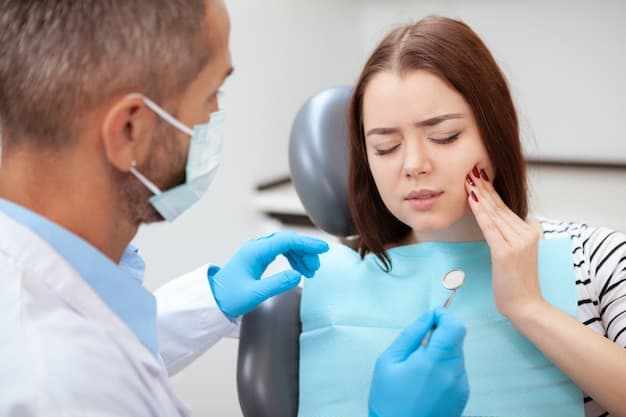
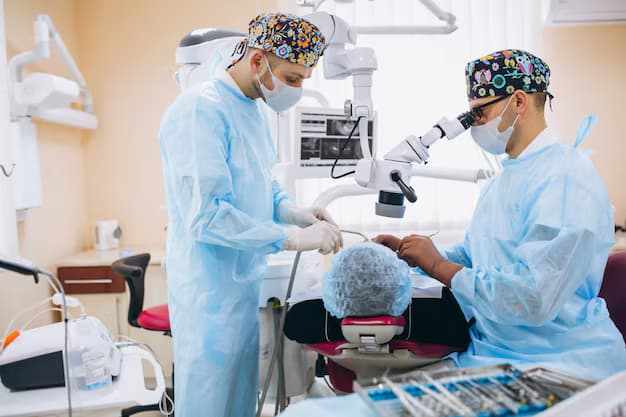
The first step in getting a dental bridge in Oxnard is to schedule an initial consultation with a qualified dentist or oral health professional. During this visit, your dentist will assess your overall oral health, including the condition of the teeth surrounding the gap, and determine if a dental bridge is the right solution.
Comprehensive Examination
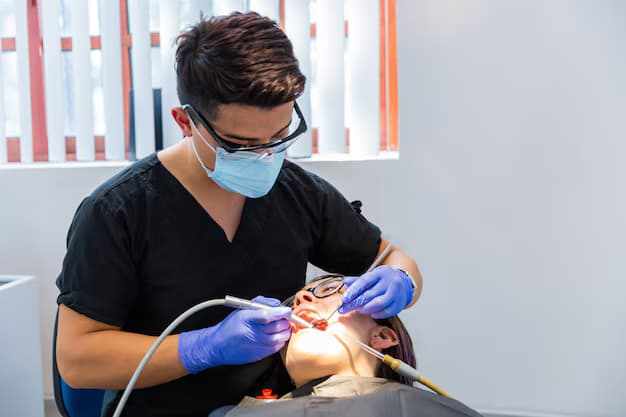
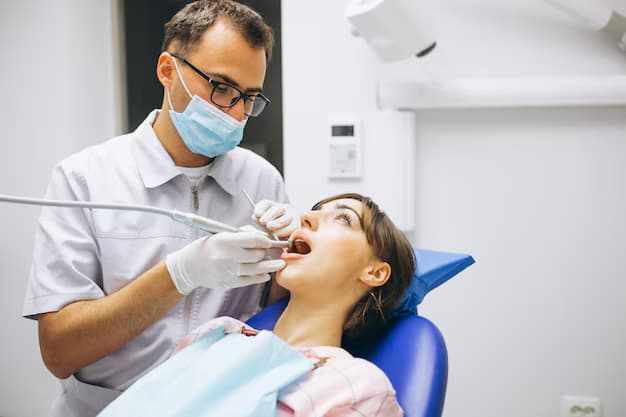
At your initial appointment, your dentist will perform a thorough examination of your mouth. This includes taking X-rays to evaluate the health of your teeth, gums, and jawbone. The dentist will also check for any existing issues that may affect the placement of the dental bridge, such as gum disease or tooth decay.
Discussion of Treatment Options
Once the assessment is complete, your dentist will discuss the available treatment options with you. If a dental bridge is deemed appropriate, your dentist will explain the different types of bridges and recommend the one best suited for your needs. You will also have the opportunity to ask questions and express any concerns.
3. Preparing for the Bridge
Tooth Preparation
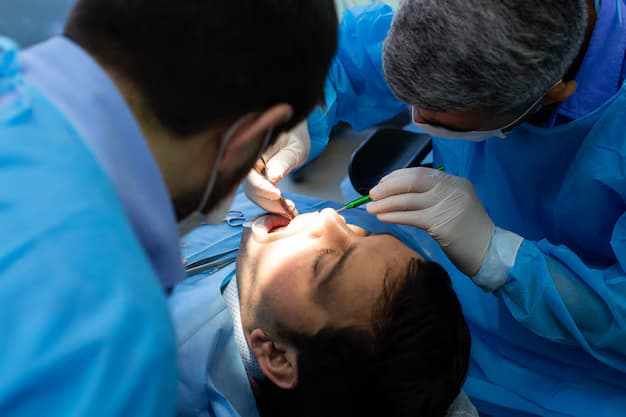
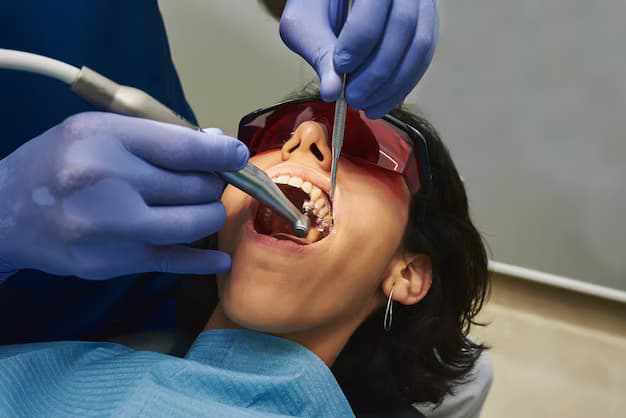
For a traditional dental bridge, the teeth adjacent to the gap (known as abutment teeth) need to be reshaped to accommodate the crowns that will support the bridge. This involves removing a small amount of enamel from each abutment tooth to make space for the crowns. If you are getting an implant-supported bridge, the dentist will need to place dental implants into the jawbone, which requires additional procedures.
Impressions of Your Teeth
After reshaping the abutment teeth, your dentist will take detailed impressions of your mouth. These impressions will serve as a mold for creating the custom dental bridge. You may also have digital impressions taken using advanced scanning technology, which can provide even more precision.
Temporary Bridge Placement
While your permanent dental bridge is being fabricated in a dental lab, your dentist will likely place a temporary bridge to protect your exposed teeth and gums. This temporary solution will help you maintain functionality and appearance while you wait for your permanent bridge to be created.
4. The Fabrication of the Permanent Bridge
Custom-Made Bridge
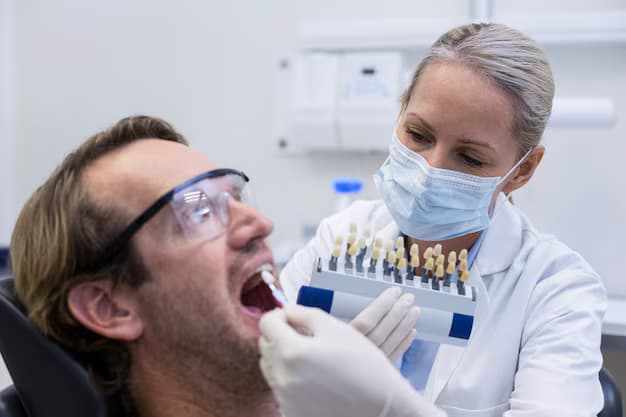
The dental lab will use the impressions taken by your dentist to create a custom dental bridge that fits your mouth precisely. This process typically takes a couple of weeks, depending on the complexity of the case. The lab will use durable materials, such as porcelain or ceramic, to ensure the bridge matches the color and appearance of your natural teeth.
Material Choices
The material used for your dental bridge will be discussed during your initial consultation. For patients seeking the most natural-looking result, porcelain or ceramic are often the preferred materials, as they mimic the translucency of natural tooth enamel. For those requiring a more durable solution, especially in the back of the mouth, a metal-based bridge may be recommended.
5. Placing the Permanent Dental Bridge
Fitting the Bridge
Once your permanent dental bridge is ready, you will return to your dentist’s office for the final fitting. During this appointment, your dentist will remove the temporary bridge and check the fit of the permanent one. Adjustments may be made to ensure that the bridge fits comfortably and securely.
Bonding the Bridge
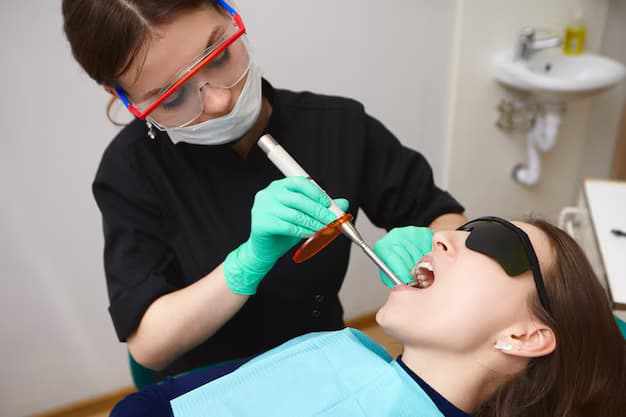
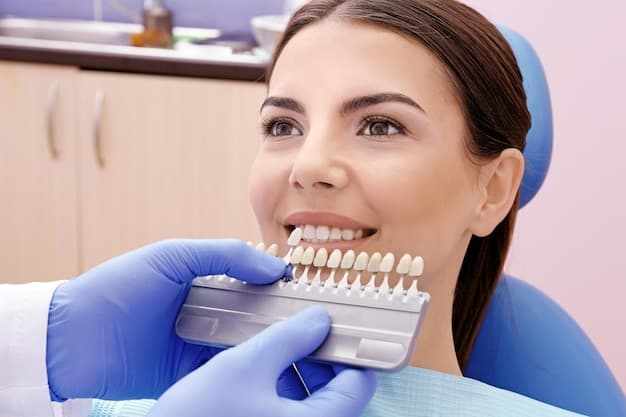
After confirming that the bridge fits properly and matches the color of your surrounding teeth, your dentist will bond the bridge to the abutment teeth using a strong dental adhesive. If you have an implant-supported bridge, the bridge will be attached to the dental implants instead of natural teeth.
Final Adjustments
Once the bridge is bonded in place, your dentist will check your bite to ensure everything feels natural. Any necessary adjustments will be made to ensure that the bridge fits comfortably and doesn’t interfere with your ability to chew or speak.
6. Aftercare and Recovery
Immediate Aftercare
After the placement of your dental bridge, you may experience some discomfort or sensitivity, especially if the surrounding teeth were reshaped. This is normal and should subside within a few days. Over-the-counter pain relievers can help manage any discomfort during the recovery period.
Maintaining Oral Hygiene
Proper oral hygiene is essential to ensuring the longevity of your dental bridge. You will need to continue brushing and flossing your teeth, including around the bridge. Special flossing tools, such as a floss threader, can help you clean beneath the bridge where food particles can get trapped.
Regular Dental Checkups
Follow-up appointments are important to monitor the health of your dental bridge and surrounding teeth. Your dentist will ensure that the bridge is holding up well and that there are no signs of damage or decay beneath the crowns.
7. Potential Risks and Complications
Tooth Sensitivity
It is normal to experience some sensitivity in the teeth after the placement of a dental bridge, especially if the surrounding teeth were reshaped. This sensitivity should decrease over time. If the discomfort persists, it may be a sign that the bridge needs adjustment.
Damage to the Bridge
While dental bridges are durable, they can sometimes become damaged or loosen over time. This is why it’s essential to follow your dentist’s aftercare instructions and attend regular checkups to monitor the condition of the bridge.
Gum Issues
In some cases, patients may experience gum irritation or inflammation around the area where the bridge is placed. Proper oral hygiene and regular visits to your dentist will help prevent these issues.
8. Benefits of Dental Bridges
Restored Function and Aesthetics
One of the main benefits of dental bridges is the restoration of function. They enable you to chew, speak, and smile comfortably once again. Dental bridges also enhance the appearance of your smile by filling in gaps left by missing teeth.
Improved Oral Health
Replacing missing teeth with a dental bridge helps prevent other teeth from shifting out of place, which can cause bite issues and further dental complications. It also reduces the risk of gum disease, as gaps between teeth can attract bacteria and food debris.
Long-Term Solution
With proper care, dental bridges can last for many years, making them a long-term solution for missing teeth. They are designed to be durable and can withstand normal chewing and biting forces.
Conclusion
Getting dental bridges in Oxnard can dramatically improve both the function and appearance of your smile. The process involves several important steps, including an initial consultation, tooth preparation, bridge fabrication, and final placement. By following proper aftercare and attending regular dental checkups, you can ensure the longevity and effectiveness of your dental bridge.
For residents of Puri dentistry, seeking dental bridges, choosing a local provider who specializes in restorative dentistry is an excellent option. Dental bridges are an effective and durable solution for missing teeth, and with the right care, they can help you achieve a beautiful and functional smile for years to come.






Write a comment ...