
When it comes to oral health, the importance of gums cannot be overstated. Healthy gums not only support teeth but also play a critical role in overall health. Unfortunately, gum issues can arise, leading many individuals to seek specialized care. Finding the right gum specialist near me can be a daunting task, but with the right information and guidance, patients can make informed decisions. This article explores how to identify top gum specialists, the qualifications to look for, the types of treatments they provide, and tips for making the best choice for your gum health.
Understanding the Role of a Gum Specialist
A gum specialist, often referred to as a periodontist, is a dental professional who has received advanced training in the diagnosis and treatment of gum diseases and conditions. Periodontists focus on the prevention, diagnosis, and treatment of periodontal disease, which includes gingivitis and periodontitis. They are also experts in the placement of dental implants and the management of gum tissue for cosmetic purposes.
The role of a gum specialist is crucial, especially for individuals experiencing symptoms such as gum inflammation, bleeding, or recession. These specialists have the knowledge and skills necessary to provide comprehensive care aimed at restoring gum health and preventing future complications.
Signs You May Need a Gum Specialist
Before diving into how to find a gum specialist, it’s essential to recognize when to seek their expertise. Common signs that indicate the need for a gum specialist include:
Persistent Gum Bleeding: If your gums bleed regularly while brushing or flossing, it may be a sign of gum disease that requires specialized treatment.
Swollen or Tender Gums: Inflamed gums that feel painful or tender can indicate underlying issues that need professional attention.
Receding Gums: If you notice that your gums are pulling away from your teeth, exposing more of the tooth or its root, it’s time to consult a gum specialist.
Chronic Bad Breath: Foul-smelling breath that does not improve with regular oral hygiene can be a symptom of gum disease.
Loose Teeth: Increased mobility in teeth can indicate advanced gum disease, necessitating immediate care from a specialist.
Recognizing these symptoms early can lead to timely intervention, improving long-term outcomes for gum health.
How to Find the Right Gum Specialist Near You
Finding the right gum specialist near me involves several steps. The following guidelines can help streamline the search process, ensuring that patients select a qualified professional who meets their needs.
1. Start with Recommendations
One of the most effective ways to find a reputable gum specialist is through recommendations. Speak to your primary dentist, as they often have established relationships with periodontists and can refer you to trusted professionals. Additionally, ask friends, family members, or coworkers if they have had positive experiences with gum specialists in your area.
2. Research Qualifications and Experience
Once you have a list of potential gum specialists, it’s crucial to research their qualifications. Periodontists should have completed dental school and undergone specialized training in periodontology. Check to see if they are board-certified, which indicates that they have met specific standards and passed rigorous examinations.
In addition to qualifications, consider their experience. A periodontist with years of practice is likely to have encountered a wide range of cases, providing them with the expertise needed to deliver high-quality care. Reading reviews and patient testimonials can provide insights into their skills and patient interactions.
3. Evaluate Treatment Options Offered
Different gum specialists may offer varying treatment options, so it’s essential to consider what each specialist provides. Some common treatments offered by periodontists include:
Scaling and Root Planing: A deep cleaning procedure that removes plaque and tartar from beneath the gum line.
Gum Grafting: A surgical procedure that involves taking tissue from another area of the mouth or using donor tissue to cover exposed tooth roots.
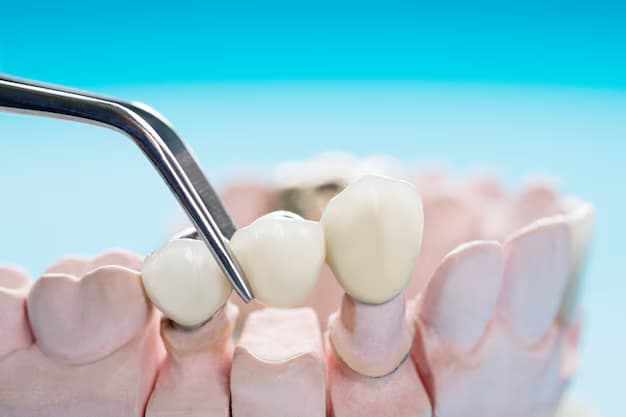
Dental Implants: Surgical placements that replace missing teeth, anchored into the jawbone.
Periodontal Maintenance: Ongoing care to prevent the recurrence of gum disease after initial treatment.
Understanding the treatments available can help patients find a specialist who meets their specific needs.
4. Consider Technology and Techniques Used
Advancements in dental technology have made procedures more efficient and less invasive. When searching for a gum specialist, inquire about the technology and techniques they utilize. For instance, some specialists may use laser therapy for gum treatments, which can minimize discomfort and promote faster healing.
Additionally, specialists who stay updated on the latest research and treatment methods demonstrate a commitment to providing the best care possible.
5. Schedule a Consultation
Once you have narrowed down your options, schedule a consultation with the gum specialists you are considering. This initial visit allows you to meet the specialist, discuss your concerns, and evaluate their communication style. Pay attention to how comfortable you feel during the consultation and whether the specialist takes the time to answer your questions thoroughly.
During the consultation, the specialist may perform an examination and recommend appropriate treatment options based on your specific needs. This visit can help you gauge whether you feel confident in their abilities and approach to care.
6. Review Insurance and Payment Options
Before making a final decision, it’s essential to review insurance coverage and payment options. Many dental insurance plans cover a portion of gum disease treatments, but it’s important to confirm what your plan includes. If you do not have insurance or if your coverage is limited, inquire about payment plans or financing options that the specialist may offer.
Understanding the financial aspect of treatment can help you make an informed decision without unexpected costs.
The Importance of Ongoing Care
Once you’ve selected a gum specialist and received treatment, it’s important to prioritize ongoing care. Regular check-ups and cleanings are essential for maintaining gum health and preventing the recurrence of gum disease. Many specialists recommend bi-annual visits, but the frequency may vary based on individual needs.
Additionally, practicing good oral hygiene at home is crucial. This includes brushing twice a day, flossing daily, and using an antimicrobial mouthwash to reduce bacteria in the mouth. A healthy diet and lifestyle choices, such as quitting smoking and managing stress, can also contribute to better gum health.
Conclusion
Finding the right gum specialist near me is a vital step in maintaining optimal gum health and preventing serious dental issues. By considering recommendations, researching qualifications, evaluating treatment options, and engaging in consultations, patients can select a specialist who meets their needs and provides high-quality care.
In the journey toward better gum health, proactive measures and ongoing care are key. If you suspect that you may need a gum specialist or have concerns about your gum health, the experienced team at Clove Dental Oxnard is ready to assist you. Take the first step toward healthier gums schedule your consultation today and invest in your oral health!











Write a comment ...