
Missing teeth can affect not only the appearance of a smile but also oral function and overall dental health. For those seeking a reliable solution, tooth bridges are a widely used option to restore missing teeth and improve oral health. Patients searching for tooth bridges often want to understand the different types available, their benefits, and which option is best suited for their individual needs.
What Are Tooth Bridges
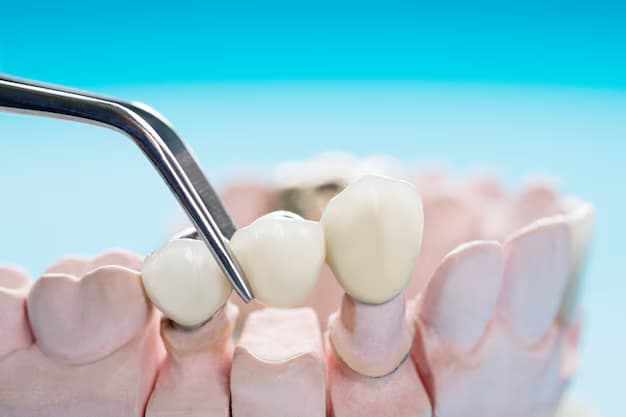
A tooth bridge is a dental restoration designed to fill the gap created by one or more missing teeth. It relies on adjacent teeth or dental implants for support and restores both the function and aesthetics of the smile.
How Tooth Bridges Work
Tooth bridges work by anchoring artificial teeth, called pontics, to the surrounding natural teeth or implants. This helps maintain proper alignment, prevents shifting of remaining teeth, and restores the ability to chew and speak effectively.
Types of Tooth Bridges
There are several types of tooth bridges, each with unique characteristics and suitability for different dental situations. Understanding the differences can help patients make an informed decision.
Traditional Tooth Bridges
Traditional bridges are the most common type and involve creating crowns for the teeth on either side of the gap. These crowns support the artificial tooth in between.
Benefits of Traditional Bridges
Strong and durable
Suitable for multiple missing teeth
Provides natural looking results
Traditional bridges are ideal for patients with healthy adjacent teeth that can serve as anchors.
Cantilever Tooth Bridges
Cantilever bridges are used when only one adjacent tooth is available to support the bridge. The artificial tooth is anchored to a single tooth rather than two.
Benefits of Cantilever Bridges
Useful in limited space situations
Provides a non-invasive solution for specific cases
Can restore function and aesthetics effectively
Cantilever bridges are commonly used in areas where there is minimal stress on the bridge, such as the front teeth.
Maryland or Resin Bonded Bridges
Maryland bridges, also known as resin-bonded bridges, use a metal or porcelain framework bonded to the back of adjacent teeth. This type requires minimal alteration of the neighboring teeth.
Benefits of Maryland Bridges
Conserves natural tooth structure
Quick and less invasive procedure
Ideal for replacing front teeth
While Maryland bridges are less durable than traditional types, they are an excellent option for patients seeking a conservative approach.
Implant Supported Tooth Bridges
Implant supported bridges are anchored to dental implants rather than natural teeth. This provides a stable and permanent solution, particularly for multiple missing teeth.
Benefits of Implant-Supported Bridges
Extremely durable and long lasting
Preserves jawbone structure
Does not rely on adjacent natural teeth for support
These bridges are an excellent choice for patients looking for a long-term solution and who are suitable candidates for dental implants.
Advantages of Tooth Bridges
Restored Function
Tooth bridges restore the ability to chew and speak properly, improving overall oral comfort and efficiency.
Improved Appearance
Bridges fill gaps and provide a natural-looking smile, enhancing confidence and self esteem.
Prevent Teeth Shifting
By filling empty spaces, bridges prevent surrounding teeth from shifting out of position, which can cause misalignment and bite issues.
Durable and Reliable
With proper care, tooth bridges can last many years, making them a dependable solution for tooth replacement.
Considerations Before Getting Tooth Bridges
Oral Health Status
Patients must have healthy teeth and gums to support a bridge. Those with untreated decay or gum disease may need preliminary treatment before placement.
Maintenance Requirements
Bridges require consistent oral hygiene, including brushing, flossing, and regular dental check-ups to prevent complications such as decay or gum problems.
Cost and Longevity
The cost of a bridge depends on the type, materials, and complexity. Implant supported bridges typically involve a higher investment but offer longer lasting results compared to traditional options.
Potential Limitations
While bridges are effective, they may need replacement over time due to wear, changes in oral health, or damage. Understanding potential limitations helps set realistic expectations.
Caring for Tooth Bridges
Daily Oral Hygiene
Brushing and flossing around the bridge are crucial. Specialized floss threaders or interdental brushes may be used to clean under and around the pontic effectively.
Avoiding Harmful Habits
Patients should avoid chewing hard objects, grinding teeth, or using teeth to open items, as these actions can damage the bridge.
Regular Dental Visits
Routine check ups allow the dentist to monitor the condition of the bridge, detect any early issues, and maintain overall oral health.
Comparing Tooth Bridges to Other Solutions
Tooth bridges offer a balance between convenience, durability, and aesthetics when compared to other options such as dentures or partial implants. While dentures are removable and less expensive, they may lack stability and comfort. Implants provide excellent long-term results but involve surgery and longer recovery times. Bridges serve as a middle ground, offering a permanent and functional solution that restores both appearance and oral function.
Conclusion
Tooth bridges are an effective solution for restoring missing teeth, improving oral function, and enhancing the appearance of a smile. Understanding the different types, benefits, and considerations ensures patients can make informed decisions and achieve lasting results.
For individuals seeking professional care and expert guidance on tooth bridges, Puri Dentistry provides comprehensive dental services tailored to each patient’s needs. Patients can schedule a consultation today and take the first step toward a confident and fully restored smile.










Write a comment ...