Tooth decay is one of the most common health issues affecting people of all ages. It is a progressive condition that results from the interaction of bacteria, sugar, and acids, leading to the destruction of tooth enamel and, ultimately, cavities. While good oral hygiene practices such as brushing and flossing play a crucial role in preventing tooth decay, additional preventive measures can significantly bolster these efforts. One such measure is the application of dental sealants.

What Are Dental Sealants?
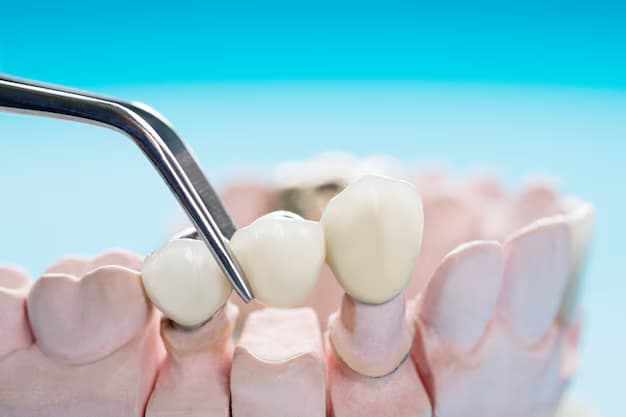
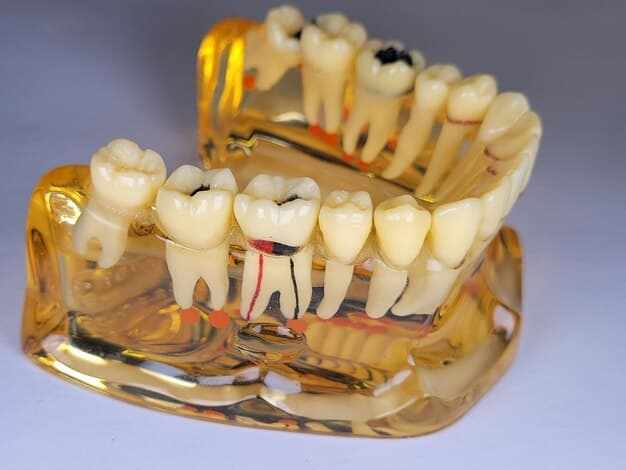
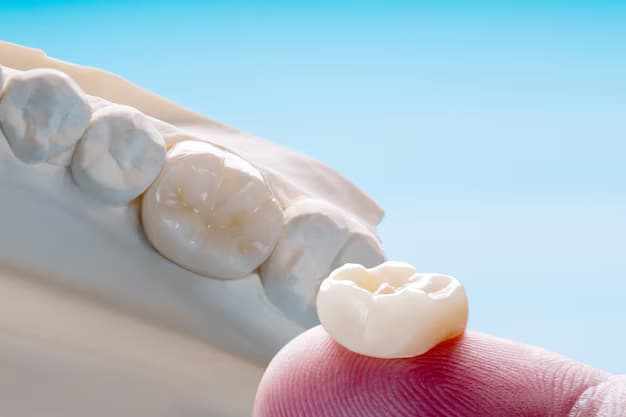
Dental sealants are a preventive dental treatment designed to protect the teeth from decay. They are thin, protective coatings made of plastic or other materials that are applied to the chewing surfaces of the back teeth, known as molars and premolars. These areas are particularly vulnerable to decay due to their grooves and fissures, which can trap food particles and bacteria.
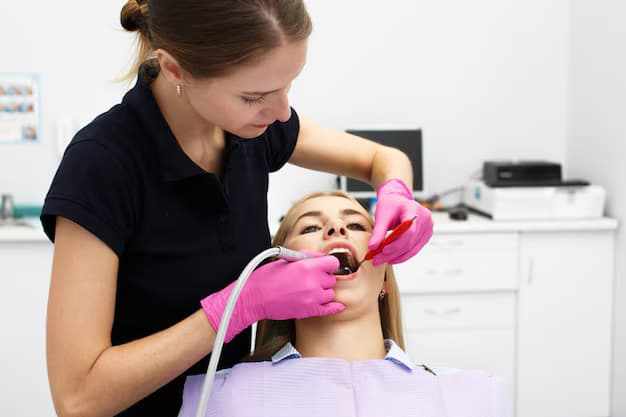
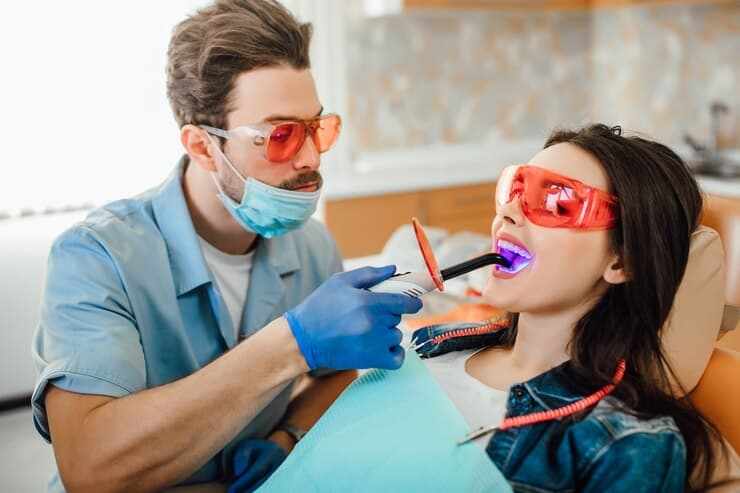
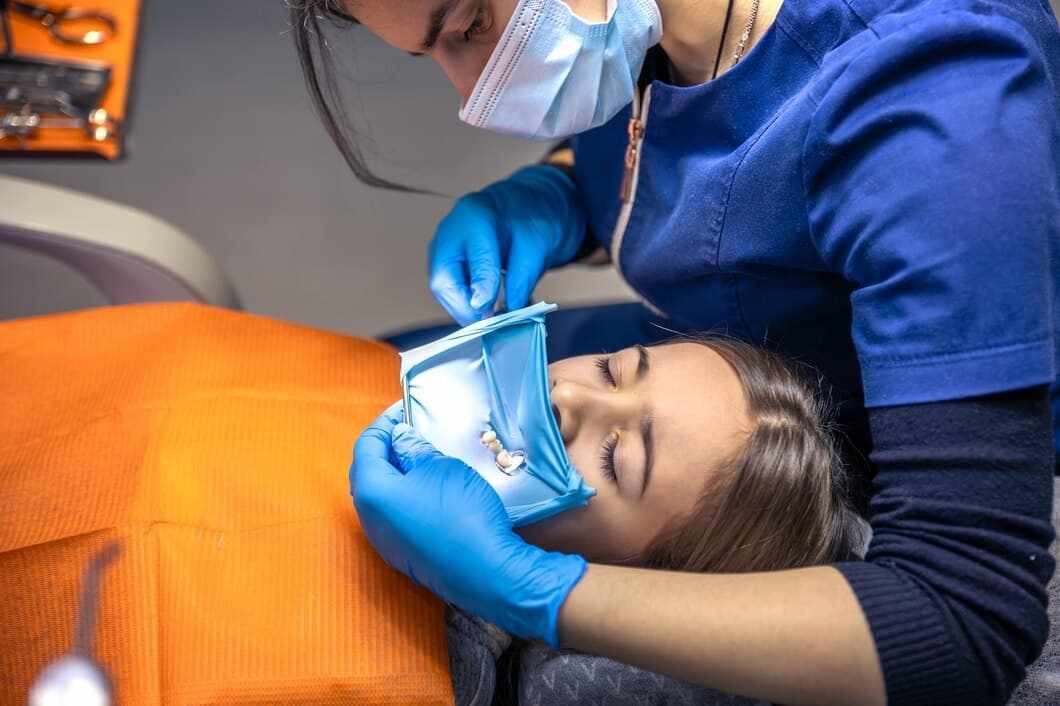
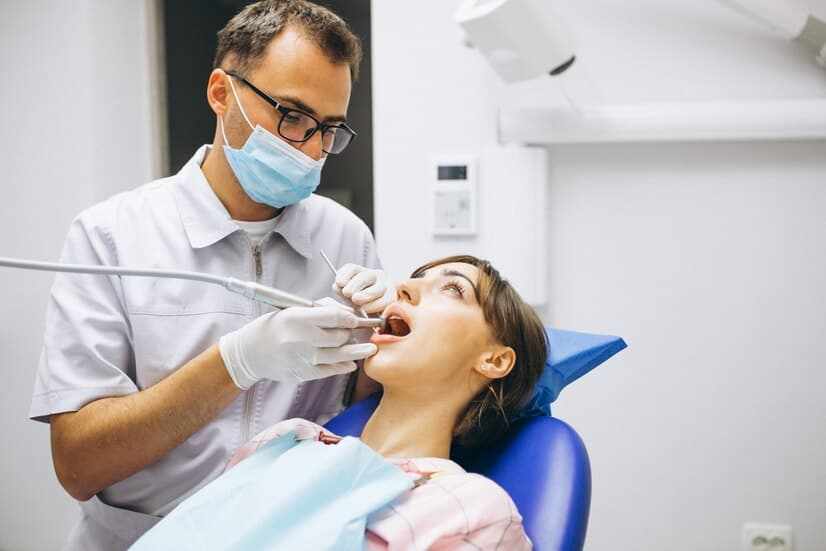
The application of dental sealants is a straightforward process. A dental professional begins by cleaning the teeth to remove any plaque or debris. After drying the tooth surfaces, an acidic solution is applied to help the sealant adhere better. Once this solution is rinsed and dried, the sealant is painted onto the tooth’s surface, where it bonds to the enamel. In some cases, a special light may be used to harden the sealant.
The Importance of Dental Sealants
1. Enhanced Protection Against Cavities
The primary purpose of dental sealants is to create a physical barrier between the tooth and harmful bacteria that cause decay. By sealing off the grooves and pits where food particles can accumulate, sealants significantly reduce the chances of cavity formation. Studies have shown that sealants can reduce the risk of decay by up to 80% in molars.
2. Cost-Effective Preventive Measure
Preventing tooth decay with dental sealants is often more cost-effective than treating cavities. The expenses associated with fillings, crowns, or root canals can be substantial. In contrast, the application of sealants is relatively inexpensive and can save individuals from undergoing more extensive dental procedures later on.
3. Quick and Painless Application
One of the appealing aspects of dental sealants is the simplicity of the application process. It typically takes just a few minutes per tooth, and there is minimal discomfort involved. Unlike some other dental treatments, sealants do not require drilling or anesthesia, making them an attractive option for both children and adults.
4. Long-Lasting Protection
Dental sealants can provide long-lasting protection, often remaining effective for several years. Regular dental check-ups will help ensure that the sealants are intact and functioning properly. If any wear or damage occurs, the sealants can be reapplied as needed.
Who Should Get Dental Sealants?
Dental sealants are particularly beneficial for children and teenagers, as their newly erupted permanent teeth are most susceptible to decay. The American Dental Association recommends that children receive sealants as soon as their permanent molars come in, typically around the ages of 6 and 12. However, adults can also benefit from sealants if they have deep grooves in their teeth or if they are at a higher risk for cavities.
Factors Influencing the Effectiveness of Dental Sealants
While dental sealants are highly effective in preventing tooth decay, various factors can influence their success:
1. Oral Hygiene Practices
Maintaining good oral hygiene is essential for maximizing the benefits of dental sealants. Regular brushing and flossing help remove food particles and plaque, reducing the risk of decay even in sealed teeth.
2. Dietary Habits
A diet high in sugar and carbohydrates can increase the risk of cavities, even in teeth that have been sealed. Encouraging a balanced diet that is low in sugary snacks and drinks can further enhance the protective effects of sealants.
3. Regular Dental Check-Ups
Routine dental visits allow for monitoring the condition of dental sealants. Dentists can identify any wear or damage and make necessary repairs, ensuring ongoing protection against decay.
Common Misconceptions About Dental Sealants
Despite their effectiveness, several misconceptions about dental sealants persist:
1. Sealants Are Only for Children
While dental sealants are most commonly associated with children and teenagers, adults can also benefit from them. Anyone with deep grooves in their teeth or a history of cavities can consider sealants as a preventive measure.
2. Sealants Are Unnecessary if Teeth Are Cared For
Some individuals believe that if they practice good oral hygiene, sealants are unnecessary. However, even with diligent brushing and flossing, it is still possible for cavities to form in the hard-to-reach areas of molars. Sealants provide an additional layer of protection.
3. Sealants Are Permanent
While dental sealants can last for several years, they are not permanent. Regular dental check-ups can help ensure that they remain effective, and reapplication may be necessary over time.
Conclusion
Dental sealants serve as a crucial tool in the prevention of tooth decay, providing a protective barrier that helps keep cavities at bay. By offering enhanced protection, cost-effectiveness, and ease of application, they have become a vital part of preventive dental care, especially for children and teenagers. However, it is important to remember that sealants work best in conjunction with good oral hygiene practices and regular dental visits.
For those seeking comprehensive dental care and preventive treatments, Clove Dental Oxnard is a fantastic choice. Their dedicated team is ready to help you maintain optimal oral health. Don’t wait schedule your appointment today and take the first step toward a healthier smile!






Write a comment ...